Is It Legal to Play a Crypto Lottery? What Players Need to Know
The honest answer: it depends where you are
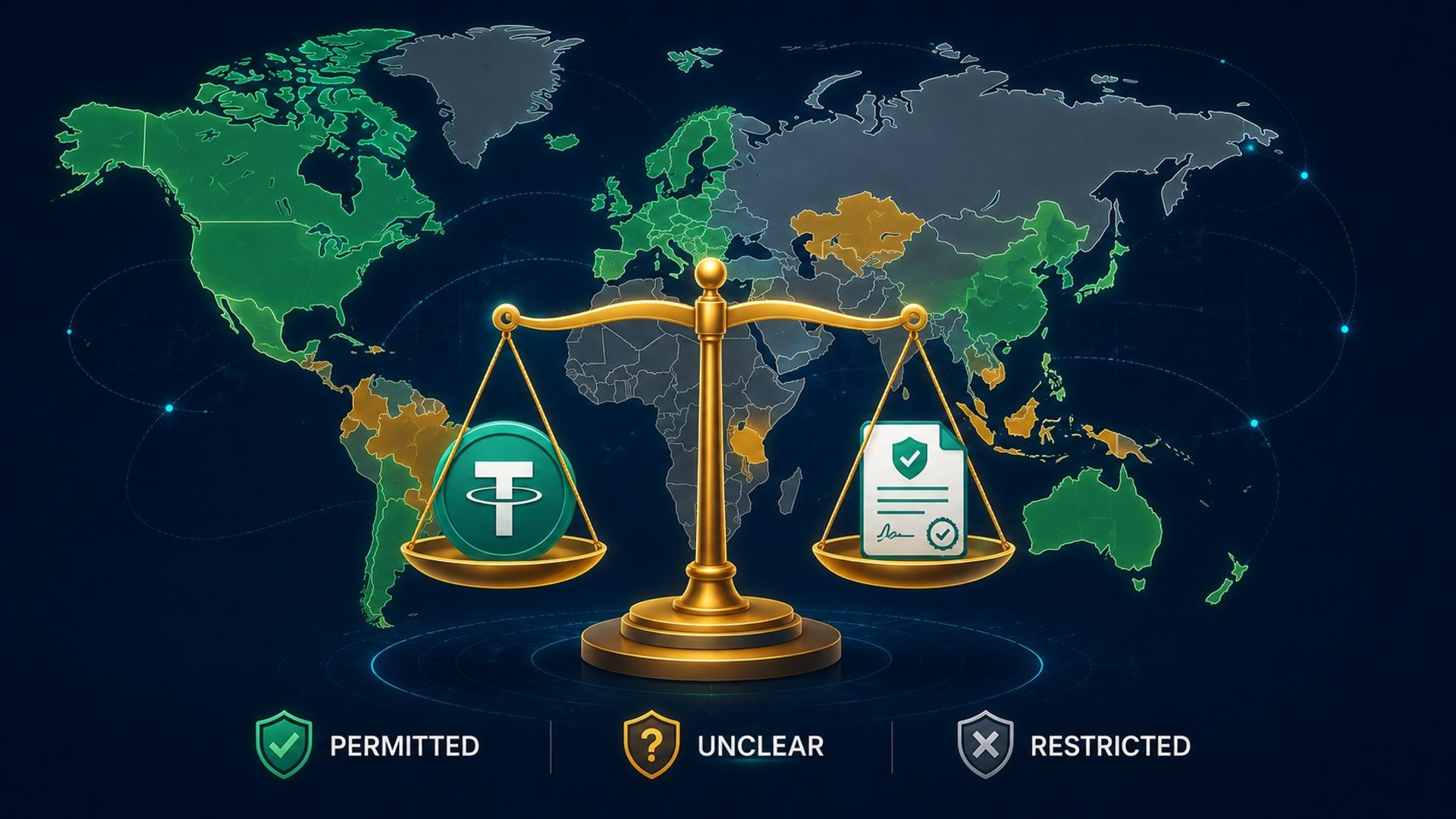
The legality of playing an online crypto lottery varies significantly by country and jurisdiction. There is no single global answer. In some places online gambling is fully legal and regulated. In others it exists in a legal grey area. In a small number of jurisdictions it is explicitly prohibited.
This article gives a plain-English overview by region. It is not legal advice — if you have specific concerns about your situation, consult a legal professional familiar with your jurisdiction. What it will do is give you a working understanding of the landscape so you can make an informed decision.
The key legal distinction: where the player is located
Most countries regulate gambling based on where the player is located, not where the platform is based. Even if a lottery platform operates legally in one jurisdiction, players in a country that restricts online gambling may still be subject to their local laws when they access it.
This means your responsibility is to understand the rules in your country or territory — not the platform's home jurisdiction.
Caribbean and Latin America
This is CryptoPot's primary player base, and the legal picture here is generally favourable for online lottery play.
Trinidad and Tobago: Online gambling is not explicitly prohibited under existing legislation. The Gambling (Prevention of) Act covers land-based gambling but does not clearly address online or crypto-based play. Many residents participate in online lottery and gaming products without legal issue. This is an area where local legal clarification may be useful for individual players.
Jamaica: Similar position — existing gambling law predates online and crypto gambling and does not directly address it. Online play exists in a practical grey area.
Barbados, St. Lucia, Antigua, and other Eastern Caribbean jurisdictions: Antigua notably licenses online gambling operators, and several Caribbean jurisdictions are more permissive toward online gaming than their land-based frameworks suggest. Players in these territories generally face low legal risk for participating in online lottery products.
Brazil: Online gambling was formally legalised and regulated in 2023, with licensing frameworks coming into effect through 2025–2026. The direction is increasingly permissive.
Colombia: Has a regulated online gambling framework. Players can legally access licensed platforms.
Mexico: Online gambling is legal and regulated, including for foreign-based platforms accessible to Mexican players.
North America
United States: Online gambling law in the US is fragmented across federal and state levels. The federal Wire Act and UIGEA (Unlawful Internet Gambling Enforcement Act) restrict certain types of online gambling and payments related to it. State law varies enormously — some states have legalised and regulated online gambling, others have not. Crypto adds additional complexity as it is not always covered by existing payment restrictions. US players should seek jurisdiction-specific legal guidance. CryptoPot does not specifically target US players.
Canada: Online gambling is regulated provincially. Several provinces operate their own online lottery platforms. Playing on offshore online lottery sites exists in a grey area under federal law — the Criminal Code addresses operating gambling businesses, not individual players. Most Canadian players who participate in offshore online gaming do so without legal consequence, though this does not mean it is without legal consideration.
United Kingdom and Europe
United Kingdom: The UK Gambling Commission licenses and regulates online gambling operators. Playing on a licensed platform is fully legal for UK residents. Playing on an unlicensed platform is not illegal for the player — only for the operator. UK players can legally play on CryptoPot, though the platform does not hold a UKGC licence.
European Union: Gambling law is handled at the member-state level, not EU-wide. Most EU countries permit residents to play on offshore platforms even if those platforms are not locally licensed — enforcement tends to focus on operators, not players. Countries like Germany and the Netherlands have tightened regulations in recent years, so players in those markets should check current local rules.
Asia-Pacific
Australia: The Interactive Gambling Act 2001 restricts online casino-style games being offered to Australians, but lottery-style products occupy a more nuanced position. Individual players are not targeted by enforcement. Australian players should review current guidance.
Philippines: PAGCOR licenses online gambling operators. Residents playing on licensed platforms are in clear legal standing.
Singapore: The Remote Gambling Act restricts online gambling broadly. Singapore is one of the stricter jurisdictions for individual players. Players in Singapore should exercise caution.
Most other Asia-Pacific jurisdictions: Vary widely. Players should check local law.
A note on crypto specifically
Adding cryptocurrency to the picture introduces additional complexity in some jurisdictions. In places where online gambling is restricted, using crypto to fund gambling activity may be considered a circumvention of payment restrictions — even if the crypto transaction itself is legal.
Separately, crypto winnings may be subject to tax in your jurisdiction regardless of whether the underlying gambling activity is legal. Many countries treat gambling winnings as taxable income or capital gains. This is separate from the legality of playing — you can be in a fully legal jurisdiction for online gambling and still owe tax on winnings.
CryptoPot does not deduct or withhold tax from payouts. Payouts are sent in full. What players owe in their own jurisdiction is their own responsibility to assess and pay.
What CryptoPot's position is
CryptoPot operates as an online lottery platform accessible globally. It does not hold gambling licences in every jurisdiction where players may access it. It does not restrict access by geography. It is the player's responsibility to determine whether accessing and playing is lawful in their location.
This is standard practice for many online gaming platforms. It does not make the platform less legitimate — it means the legal compliance burden sits with the player, as it does for most cross-border online services.
The practical reality for most players
The large majority of CryptoPot's player base is in jurisdictions where online lottery play is either legal, unregulated, or in a practical grey area with no enforcement against individual players. Players in these regions — which covers most of the Caribbean, Latin America, much of Europe, and large parts of Asia — face minimal to no legal risk from participation.
Players in jurisdictions with explicit restrictions (Singapore, some US states) should take those restrictions seriously.
When in doubt, the sensible approach is:
- Check whether online gambling is explicitly restricted in your country
- Check whether crypto gambling has any specific treatment under local law
- Consult a local legal professional if you are uncertain
Ready to enter?
Create your account and enter this week's draw →
For more on how CryptoPot works and how payouts are handled: How it works →
This article is for informational purposes only and does not constitute legal advice. Players are responsible for determining the legality of online gambling in their own jurisdiction. Draw every Sunday at 8:00 PM Atlantic Standard Time (AST). Ticket sales close at 6:00 PM AST.
Enter This Week's Draw
Pick 5 numbers from 1–35. Tickets close Sunday 6 PM AST — draw at 8 PM.
Enter Now